


TPU 85A / TPU 90A
TPU 85A / TPU 90A
In stock
Couldn't load pickup availability


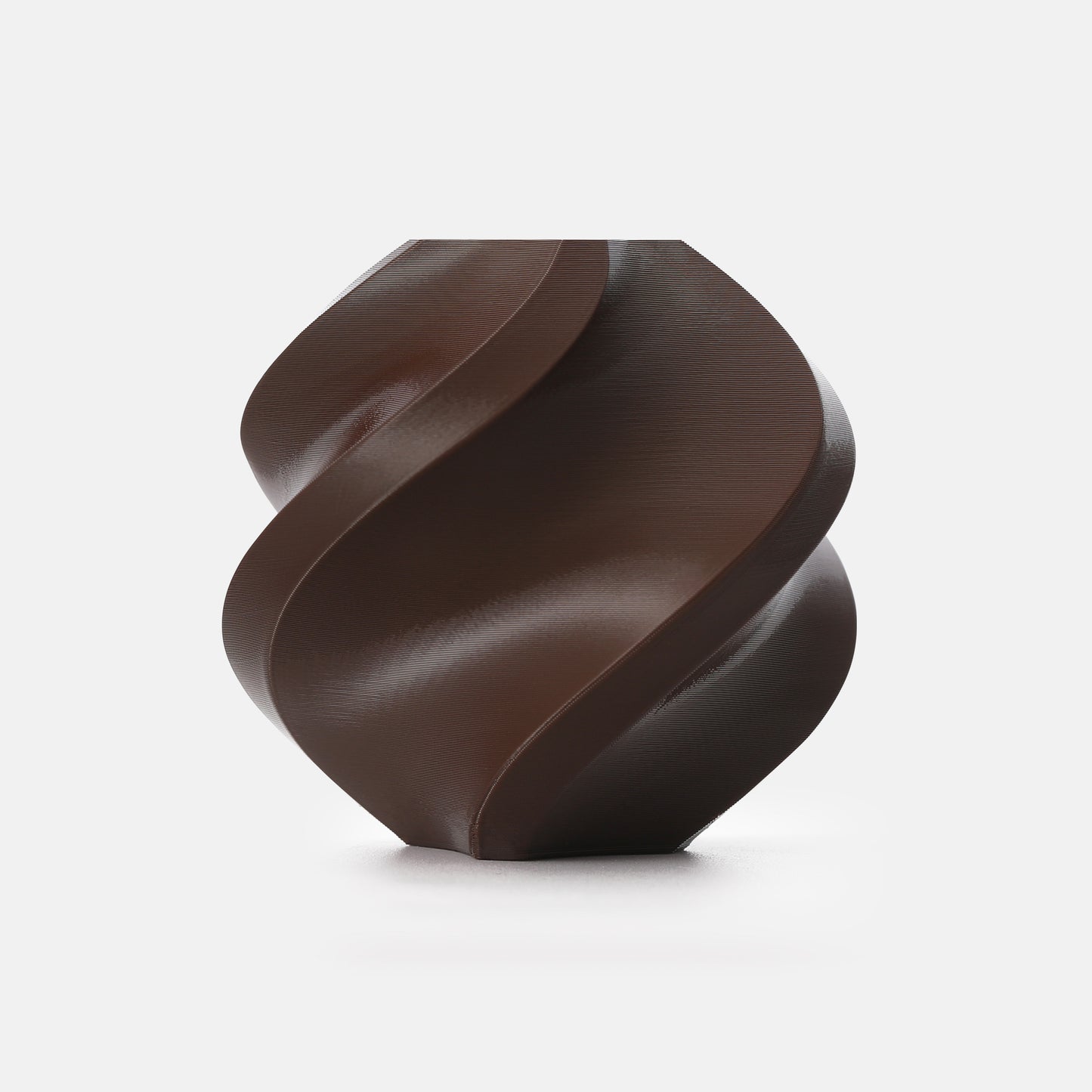
Bambu TPU 85A / TPU 90A — Flexible Filament for Soft, Durable & Hybrid Prints
Bambu TPU 85A and TPU 90A are premium flexible filaments designed for parts that need elasticity, impact absorption, and long-term durability. These materials are ideal for applications where rigid plastics are too stiff—such as grips, vibration dampeners, cushioning components, and flexible housings.
TPU 85A is the softest material in the Bambu lineup, offering maximum flexibility and stretch. TPU 90A is slightly firmer, making it better suited for functional parts that must flex while still holding their shape.
All Bambu Lab printers are capable of printing TPU. Because flexible filaments are more sensitive to setup and print conditions, following recommended TPU guidelines is important for achieving consistent, high-quality results.
TPU 85A vs TPU 90A — Choosing the Right Flex
TPU 85A
• Ultra-soft and highly elastic
• Excellent impact absorption and cushioning
• Ideal for vibration dampeners, padding, soft grips, and flexible covers
• Best for single-material flexible prints
TPU 90A
• Firmer feel with improved structural support
• Better shape retention under load
• Ideal for shoe soles, RC tires, flexible hinges, tool grips, and cases
• Supports hybrid rigid-flex printing on compatible systems
Both materials offer excellent wear resistance and maintain performance even after repeated bending and compression.
Multi-Material Printing via Beam Interlocking (H2C / H2D)
TPU 90A supports multi-material printing with PLA and PETG on compatible dual-nozzle printers such as the H2C and H2D.
Using beam interlocking, rigid and flexible materials are mechanically fused during printing—allowing you to create parts that are strong in structure yet soft where needed, without adhesives or post-assembly.
Common hybrid use cases include:
• Tool handles with integrated soft grips
• Helmets and protective gear with flexible padding zones
• Enclosures with built-in vibration isolation
• Wearables and ergonomic components
TPU 85A is intended for single-material printing only and does not support rigid-flex multi-material workflows.
Printer & Hardware Compatibility
• Printers: Compatible with all Bambu Lab printers
• Dual-material printing:
– TPU 90A only, on H2C and H2D
• Nozzle recommendations:
– TPU 85A: 0.6 mm or larger
– TPU 90A: 0.4 mm or larger
• Build plates: Smooth PEI Plate, Textured PEI Plate
• Adhesion: Magigoo recommended for consistency and plate protection
• AMS / AMS Lite / AMS 2 Pro: Not compatible
Recommended Printing Guidelines (Starting Points)
• Dry thoroughly before use
• Drying:
– 70 °C for 8 hours (dryer)
– or extended drying on a heated printer bed
• Storage humidity: < 20% RH, sealed with desiccant
• Nozzle temperature: 200–250 °C
• Bed temperature: 30–35 °C (with glue)
• Print speed: Use default TPU profiles; avoid high speeds
Flexible filaments require controlled extrusion and smooth motion to prevent buckling, stringing, or inconsistent flow.
Important Notes
• Proper drying is critical for TPU performance
• Flexible filaments require more precise setup than rigid materials
• TPU 90A is required for rigid-flex multi-material printing
• Not compatible with AMS-based multi-color systems
What’s in the Box
• Bambu TPU filament spool (1 kg) ×1
• Desiccant pack ×1
Setup Tip
Clean your build plate using blue Dawn dish soap + hot water, towel dry fully, then apply glue for reliable adhesion and easy part release.
Policy Snapshot
Filament is final sale. Approved returns on other items must be brand new and unopened. Restocking fees and non-refundable shipping may apply.